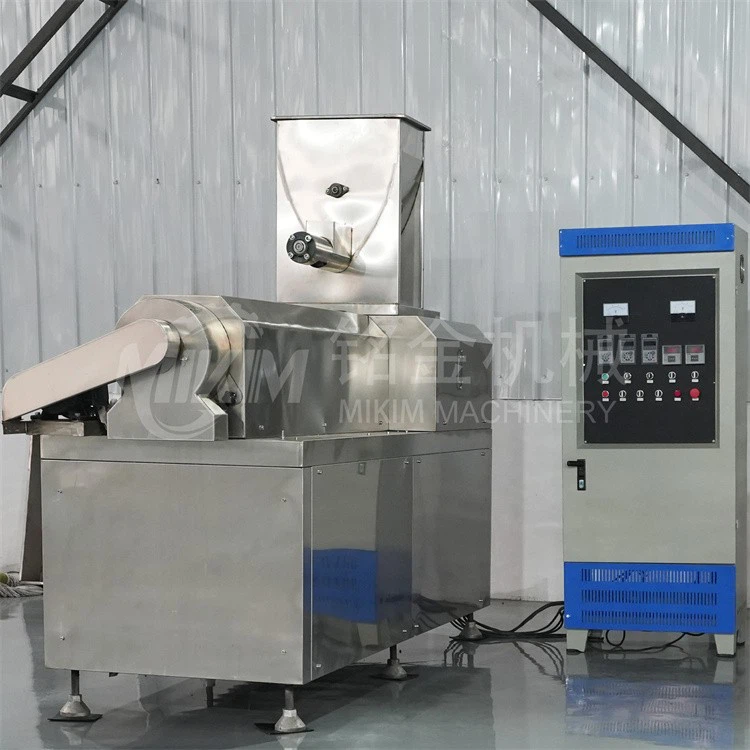
Food Extruder

Why choose us


Our Products
Our main products include food extruders, meat slicers, meat cutters, peanut butter machines, and jam machines. We also manufacture feed machinery and equipment.


Delivery Speed
We prioritize fast delivery, shipping equipment within three days.


Our Company
Our factory covers more than 3,000 square meters and employs over 160 workers. We have hundreds of skilled technicians to ensure our equipment meets high-quality standards.


Product Application
Our products are used in various applications. Food puffing machines are utilized in food processing plants and snack production facilities. Meat roll and block machines are found in meat processing plants, restaurants, hotels, butcher shops, and fast food restaurants. Peanut butter and jam machines are used in the food and oils industries.


What is Food Extruder


Food extruders are machines used in the food processing industry to carry out the extrusion process, which involves pushing a mixture of materials through a die to create a specific food product or ingredient. This process integrates various activities like mixing, heating, shaping, and forming into a single operation, making it an efficient method for producing a wide range of food items with minimal nutrient loss.

First 1234567 Last 1/51
Benefits of Food Extruders
 

Food extruders are becoming more and more popular as a way to improve the quality and consistency of food. Here are some of the benefits of using an extruder:

Extrusion produces consistent results

Food extruders produce consistently high-quality products by pushing hot air or liquid through a variety of substances, such as dough, batter, or pizza sauce. This prevents ingredients from clumping together or forming lumps, which in turn gives foods a smooth texture and uniform color.

Extrusion is versatile

Food extruders can be used to create a wide range of textures and flavors, including dense doughs, fluffy batters, and thin sauces. This means that you can easilycreate foods that match your specific preferences or taste requirements.

Extrusion is quick and easy

Compared to other cooking methods, like baking or simmering, extrusion is very quick and easy to set up. You only need to purchase an appropriate food extruder machine and start enjoying the benefits right away!

Working Principle of Food Extruder


A food extruder is a versatile piece of equipment used in the food processing industry to produce a wide range of food products. It works by forcing food ingredients through a mechanical or thermal process to shape, cook, or transform them into various forms. Here are some key points to explain what a food extruder is and how it works:


Basic Operation:A food extruder consists of a barrel or cylinder with a screw or auger inside.Food ingredients are fed into the barrel, where they are processed and transformed into a specific product.


Types of Food Products:Food extruders can be used to create a wide variety of products, including snacks, cereals, pasta, pet food, and more.The final product can take the form of different shapes, sizes, and textures.


Extrusion Process:The food ingredients are typically mixed with water or other liquids to form a dough or slurry.The screw inside the barrel rotates, pushing the dough through a die at the end of the barrel.The die has a specific shape, which imparts that shape to the extruded product.


Pressure and Temperature:Food extrusion often involves high pressure and temperature, which can cook, gelatinize, or otherwise transform the ingredients.The combination of heat, pressure, and shear forces can lead to the expansion of the product, resulting in a crispy texture for snacks or a different texture for other products.


Product Variety:Food extruders can be adapted for various ingredients, allowing for the production of both simple and complex food items.They can handle a range of raw materials, including grains, legumes, potatoes, and more.


Continuous Process:Extrusion is a continuous process, meaning that ingredients are continuously fed into the extruder, and the final product is produced continuously, making it suitable for large-scale production.


Quality Control:Extrusion processes can be finely controlled to ensure consistent quality and characteristics of the food product.Parameters like temperature, pressure, and the speed of the screw can be adjusted to meet desired specifications.


Versatility:Food extruders can be used in both hot and cold extrusion processes, depending on the desired product and its characteristics.


Research and Development:Food scientists and engineers often use food extruders to develop new food products and optimize existing ones.it allows for experimentation with different ingredients and processing conditions.


Efficiency:Food extrusion can be an energy-efficient way to produce certain food items, as it combines cooking and shaping in a single step.

Types of Food Extruders
 

Single-Screw Extruder

This type consists of one screw that forms the extruding chamber. Typically, single-screw extruders do not have external heating. External heating is used only in extremely cold regions or when soybeans are processed using a dry method. In single-screw extrusion, shear heat is generated by the rotational speed, which usually ranges from 480 to 600 rpm. This type is suitable for puffing grains that have a single shape, rather than spherical shapes, and is also cost-effective.

Twin-Screw Extruder

Composed of two screws in the puffing chamber, the twin-screw extruder creates meshing areas that enhance mixing and shearing as materials run in parallel. This design makes it more efficient than a single-screw extruder, particularly for producing mixed formula feed. Its advantages include:
1.A lower rotational speed, generally 200-300 rpm.
2.Increased shear between the two screws, leading to a higher degree of homogenization and stable quality.
3.Efficient use of external heating and curing in the screw barrel.
4.Frequency conversion speed regulation for stable and reliable operation.
5.A self-cleaning function for the screw, eliminating the need to disassemble the screw barrel for cleaning after stopping.

Three-Screw Extruder

This type features three screws in the puffing chamber, which shear against each other. It is equivalent to having three sets of twin screws operating simultaneously in one chamber, resulting in high shearing efficiency and easier plasticization of materials. Additionally, the pressure generated before puffing is greater, improving the degree of ripening and allowing for more nutrients, such as protein and fresh meat, to be added. Energy consumption is 30% lower than that of twin-screw extruders with the same output.

What Are The Key Components Of The Food Extruder?

A food extruder machine is a mechanical device used in various industries to shape and process materials, typically plastics, metals, food products, and more. The key components of an extruder machine can vary depending on the specific application and design, but generally, the following components are found in an extruder:

饼干挤出机
饼干挤出机
饼干挤出机
food extruder

Hopper: The hopper is the initial point where raw material is introduced into the extruder. It feeds the material into the processing chamber.


Screw(s): The screws are one of the most crucial components of an extruder. They are rotating elements that move and mix the material through the processing chamber. The design of the screws can vary greatly based on the material being processed and the desired end product.


Barrel: The barrel is the main chamber through which the material moves. It houses the screws and is typically heated to facilitate melting or softening of the material. The barrel is often divided into multiple zones, each with its own heating and cooling systems to control the temperature profile along the length of the extruder.


Heating and Cooling Systems: Heating elements are used to maintain the required temperature inside the barrel, aiding in the melting or processing of the material. Cooling systems may also be employed to control temperature and prevent overheating.


Die or Nozzle: The die or nozzle is located at the end of the barrel and shapes the material as it exits the extruder. It determines the cross-sectional profile of the final product. Dies can come in various shapes and sizes, depending on the desired output.


Screen Packs and Filters: These components help remove impurities or contaminants from the material before it enters the die. They are especially important in industries like plastics processing.


Drive System: The drive system consists of motors, gears, and other mechanisms that provide the necessary power to rotate the screws and move the material through the extruder.


Control System: The control system manages various parameters of the extrusion process, such as temperature, screw speed, pressure, and more. This system ensures that the extrusion process is consistent and produces the desired output.


Cutting or Sizing Mechanism: In some extrusion processes, a cutting or sizing mechanism may be included to trim the extruded material to the desired length or shape as it emerges from the die.


Cooling and Conveying System: After the material is extruded and shaped, it may go through a cooling process to solidify or set. Conveyors or other handling systems then transport the finished product away from the extruder.


Safety Features: Various safety components, such as emergency stop buttons, guards, and sensors, may be incorporated to ensure the safe operation of the extruder and protect operators from potential hazards.


Applications of Food Extruder Machines

Food extruder machines are used in various sectors of the food industry. Here are some common applications:

Snack Foods

Extrusion is ideal for producing a variety of snack foods, including chips, crackers, and puffed snacks.

Breakfast Cereals

Extruders are used to create different shapes and textures in breakfast cereals, ensuring a consistent and high-quality product.

Pet Foods

The pet food industry relies on extrusion technology to produce dry and semi-moist pet foods with precise nutritional content.

Texturized Vegetable Proteins (TVP)

Extruders help in creating TVP products that serve as meat substitutes in various vegetarian and vegan diets.

What are the safety measures for operating food extruders?

Operating food extruders involves specific safety measures to ensure the well-being of operators and maintain a safe working environment. Here are some general safety guidelines for operating food extruders:


Familiarize Yourself with the Equipment

Understand the operating instructions, safety features, and emergency shut-off procedures specific to the food extruder you are using. Follow the manufacturer's guidelines and attend any necessary training sessions.

Personal Protective Equipment (PPE)

Wear appropriate PPE, such as safety goggles, gloves, and protective clothing, to prevent injuries from flying debris, hot surfaces, or contact with chemicals.

Keep the Work Area Clean and Organized

Maintain a clutter-free work environment to reduce the risk of accidents. Remove any obstructions or trip hazards from the area around the food extruder.

Follow Lockout/Tagout Procedures

Before performing maintenance or cleaning tasks, ensure the food extruder is powered off and properly locked out or tagged out to prevent accidental startup or release of stored energy.

Temperature and Pressure Management

Be aware of the temperature and pressure settings of the extruder. Follow the recommended guidelines to prevent overheating, explosions, or other safety hazards.

Monitor Material Feed

Ensure that the material being fed into the extruder is suitable for the machine's specifications. Avoid overloading the extruder, as this can lead to mechanical failures or safety risks.

Prevent Access to Moving Parts

Never reach into or near the extruder while it is in operation. Wait for it to come to a complete stop before performing any adjustments, maintenance, or cleaning.

Regular Maintenance and Inspections

Conduct routine inspections of the extruder to identify any signs of wear, damage, or malfunction. Keep the equipment properly maintained and address any issues promptly.

Emergency Preparedness

Familiarize yourself with emergency procedures, including the location of emergency exits, fire extinguishers, and first aid kits. Know how to respond to potential emergencies, such as fires, power outages, or equipment malfunctions.

What To Consider When Purchasing A Food Extruder Machine

Food extruders are machines that can be used to produce various types of food such as doughs, batters, sauces, and dips. They come in a variety of shapes and sizes and can be used for a variety of purposes. When purchasing a food extruder machine, it is important to consider the specific needs that the machine will fulfill. Some factors to consider include the type of food that will be produced, the size and shape of the product, and the number of devices that need to be operated simultaneously.


When purchasing a food extruder machine, there are a few things to consider. The first is the type of material you will be extruding. If you will be using the machine to produce plastic or other semi-solid materials, make sure the machine has the appropriate capabilities.


If you are looking for a basic machine that can handle most tasks, there are many options available at a variety of price points. Some machines come with pre-installed materials like plastic or silicone, while others require users to purchase their own supplies.


The second consideration is how often the machine will need to be serviced and updated. Many machines have warranties that cover regular maintenance, but it is always worth checking with the manufacturer to see what specific services are covered in those warranties.

Our Factory


MIKIM Machinery is a high-tech enterprise integrating scientific research, design, manufacturing, installation and commissioning, and after-sales service. It has passed CE, ISO and other certifications. Our factory covers an area of ​​more than 3,000 square meters and has hundreds of technicians to ensure that the equipment produced meets the quality standards. At the same time, we can also provide you with equipment customization services. Before the equipment leaves the factory, we will conduct multiple inspections on the equipment to ensure the quality of the equipment. At the same time, if you have any questions during the use of the equipment, we can always call you via video to answer your questions.

productcate-800-450
productcate-1-1
productcate-1-1


Certifications


productcate-1-1


FAQ
 

Q: What are the components of a food extruder?

A: A typical extruder consists of a power supply to operate the main screw, a feeder to meter in the raw ingredients, and a barrel, which surrounds the screw. The screw conveys the raw material through towards a shaped hole, the die that shapes the product.

Q: What is the temperature of food extruder?

A: Food extrusion generally involves high-temperature (120–170 °C) short-time processing, with most of the energy originating from friction and the heated barrels of the extruder (Harper, 1986). The heat is required to convert water into superheated steam at high pressure, to puff or expand the product.

Q: How do you clean extruder screws?

A: Open the die head of the extruder screw and start to clean the screw. Rotate the screw and take out the pore plate, pour the remaining cleaning material into the barrel, and then clean the pore plate. Pull out the screw and observe whether it has been cleaned.

Q: How do you clean an extruder?

A: Heat Up: Heat your nozzle to the recommended temperature for the cleaning filament.
Insert Cleaning Filament: Feed the cleaning filament through the extruder until it starts coming out of the nozzle.
Extrude and Retract: Keep extruding and then retracting the cleaning filament.

Q: Why is my extruder smoking?

A: There is too much friction when the motor tries to move. Clean, lubricate smooth rods, lead-screws and check bearings. Something may be blocking the movement of the axis in question. Check alignment and anything that could prevent the movement.

Q: How many types of extruders are there?

A: These are piston extruders, roller-type extruders, and screw extruders . Screw extruders are most likely used now days. On the basis of screw design, two types of extruders are most commonly used: Single-screw extruder and Twin-screw extruder.

Q: What is the feed zone of an extruder?

A: The first barrel section or feed zone on the extruder is normally water cooled with no heating present. Cooling is provided to prevent resin or additives from prematurely melting and sticking to the feed throat.

Q: Why does my extruder keep jumping?

A: If the extruder spring tension is too high, the gear teeth will press into the filament too much, causing filament deformation. The high tension can also impede the feed rate of the filament, which in turn causes the stepper motor to exert more force and even start to skip.

Q: What is an extruder job?

A: Job Summary: The Extrusion Machine Operator is responsible for setting up, operating, and maintaining extrusion machinery to produce high-quality products. This role involves monitoring the extrusion process, adjusting settings, ensuring product specifications are met, and conducting routine maintenance tasks.

Q: How does a food extruder work?

A: It involves the application of high heat, high pressure, and shear forces to an uncooked food mass in an extruder to obtain a wide range of products including snacks, ready-to-eat (RTE) cereals, confectioneries, and crisp bread.

As one of the most professional food extruder manufacturers in China, we're featured by quality products and low price. Please rest assured to buy cheap food extruder for sale here from our factory.

food extruder performance, food extruder for food ethical considerations, Extruder Snack Machine

(0/10)

clearall