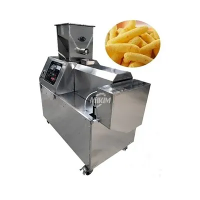
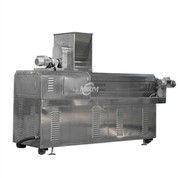
Extruders For The Food Industry
Model
LYS-65 LYS-70 LYS-85 LYS-95
Power
5.5kw 15kw 18.5kw 22kw
Capacity
50 kg/h 150kg/h 200-300kg/h 400-500kg/h

- Product Introduction
Product Introduction
Extrusion is a versatile technique, allowing for a wide array of materials to be processed. The choice of material is pivotal, as it directly influences the texture, nutritional profile, and overall appeal of the final product. From traditional cereals to innovative hydrocolloids, a myriad of ingredients undergo extrusion to create diverse food products.
Product Parameters
|
Model |
Power |
Capacity |
Heater |
Dimension(mm) |
Weight |
|
LYS-65 |
5.5kw |
50 kg/h |
1 kw |
1720*870*1050 |
350 kg |
|
LYS-70 |
15kw |
150kg/h |
1 kw |
1720*970*1250 |
500 kg |
|
LYS-85 |
18.5kw |
200-300kg/h |
2 kw |
1360*1870*850 |
650 kg |
|
LYS-95 |
22kw |
400-500kg/h |
2 kw |
2300*1170*1400 |
850 kg |

Materials Used in Extrusion
Cereals and Grains
Cereals and grains form the backbone of many extruded products, such as breakfast cereals, snacks, and pasta. Popular grains used include wheat, rice, maize, barley, and oats.
Advantages:
Rich in carbohydrates, providing energy.
Can achieve a wide range of textures, from crispy to soft, depending on the extrusion conditions.
Disadvantages:
May lack certain essential amino acids, necessitating combinations with other protein sources.
Some grains, like wheat, contain gluten, which can be allergenic to certain individuals.
Proteins
Proteins, derived from both animal and plant sources, are increasingly processed through extrusion, especially with the rise of vegetarian and vegan diets. Common protein sources include soy, peas, lentils, and even dairy.
Advantages:
Offers a balanced amino acid profile, essential for muscle growth and repair.
Provides a meat-like texture, suitable for creating meat analogues or vegetarian meat replacements.
Disadvantages:
Some protein sources, especially soy, can have a beany or off-flavor which needs to be masked.
The cost of protein-rich raw materials can be significantly higher than cereals.
Starches and Hydrocolloids
Starches and hydrocolloids act as binders and texture enhancers in extruded products. Commonly used starches include cornstarch, tapioca, and potato starch, while popular hydrocolloids encompass guar gum, xanthan gum, and alginate.
Advantages:
Imparts a gel-like consistency, helping in moisture retention.
Enhances the mouthfeel of the product.
Disadvantages:
Overuse can result in a product that's too sticky or gummy.

FAQ
Q:Could you supply all the parameters about the machines?
A: Yes, we will supply all the parameters, price, layout drawing, factory design etc.
Q: How about the machine warranty?
A: We provide 1 year warranty, Lifetime service.
Our Advantages
150
+
Number Of Employees
3000㎡+
Factory Area
10
+
Years Of Experience
800㎡+
Company Area
Qualifications and Honors

Hot Tags: extruders for the food industry, China extruders for the food industry manufacturers, factory, food extruder with different molds, food extruder for holiday food production, food extruder for food storage, food extruder for food customization, food extruder for traditional food production, food extruder for food community building